


Meet the Fish: Where Does Swai Come From?
06 November 2026
Meet the Fish:
Where Does Swai Come From?
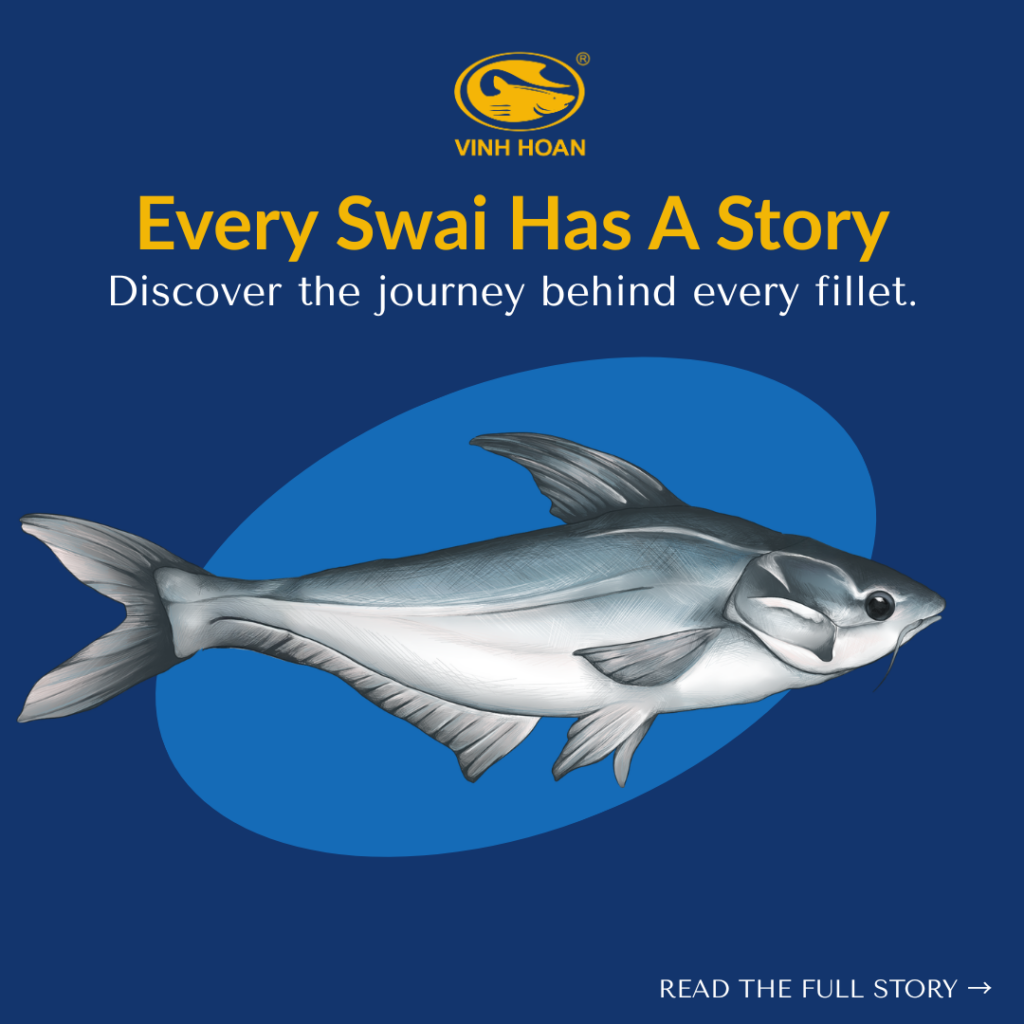
When you see a Swai fillet on a supermarket shelf or on a restaurant menu, you probably think of it as an affordable, mild-tasting whitefish. But have you ever wondered where it comes from, or what it takes to bring it to your table?
Swai, also known as pangasius, comes from the freshwater aquaculture industry of Vietnam’s Mekong Delta. It is a region where generations of farming experience, natural resources and an established seafood industry have made fish farming an important part of local livelihoods.
But producing Swai is not as simple as putting fish into a pond and waiting for them to grow. There is a long journey behind every fillet, and it begins much earlier than most people realise.
Let us take you through it.
It All Begins at the Hatchery
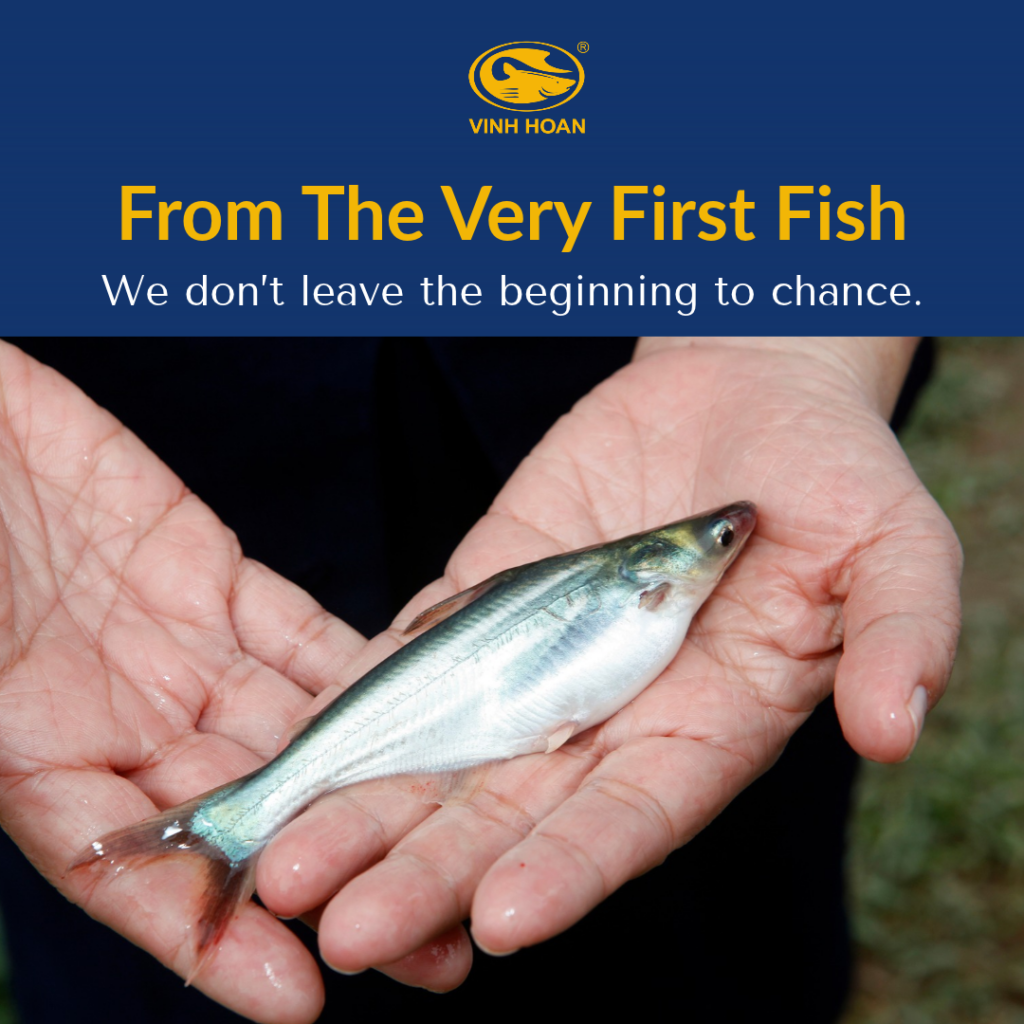
This is where fingerlings are produced and raised before being transferred to growing farms. It may seem like a small part of the overall production process, but what happens here has a lasting impact on the journey ahead.
Today, people are becoming more curious about where their food comes from. They want to know how it is raised, how animals are treated and whether the products they buy are produced responsibly. Seafood is no exception. And as these questions become part of the conversation around food, knowing what happens behind the scenes matters more than ever.
For seafood buyers, that curiosity presents an important consideration. You are not simply choosing a fish fillet; you are choosing the farming practices, people and processes behind it. Understanding where the fish comes from and how it moves through the supply chain gives you a much clearer picture of what you are sourcing, and the confidence to tell that story to your own customers.
After all, a fillet does not begin at the processing plant. Its story starts much earlier.
Growing Up in the Delta
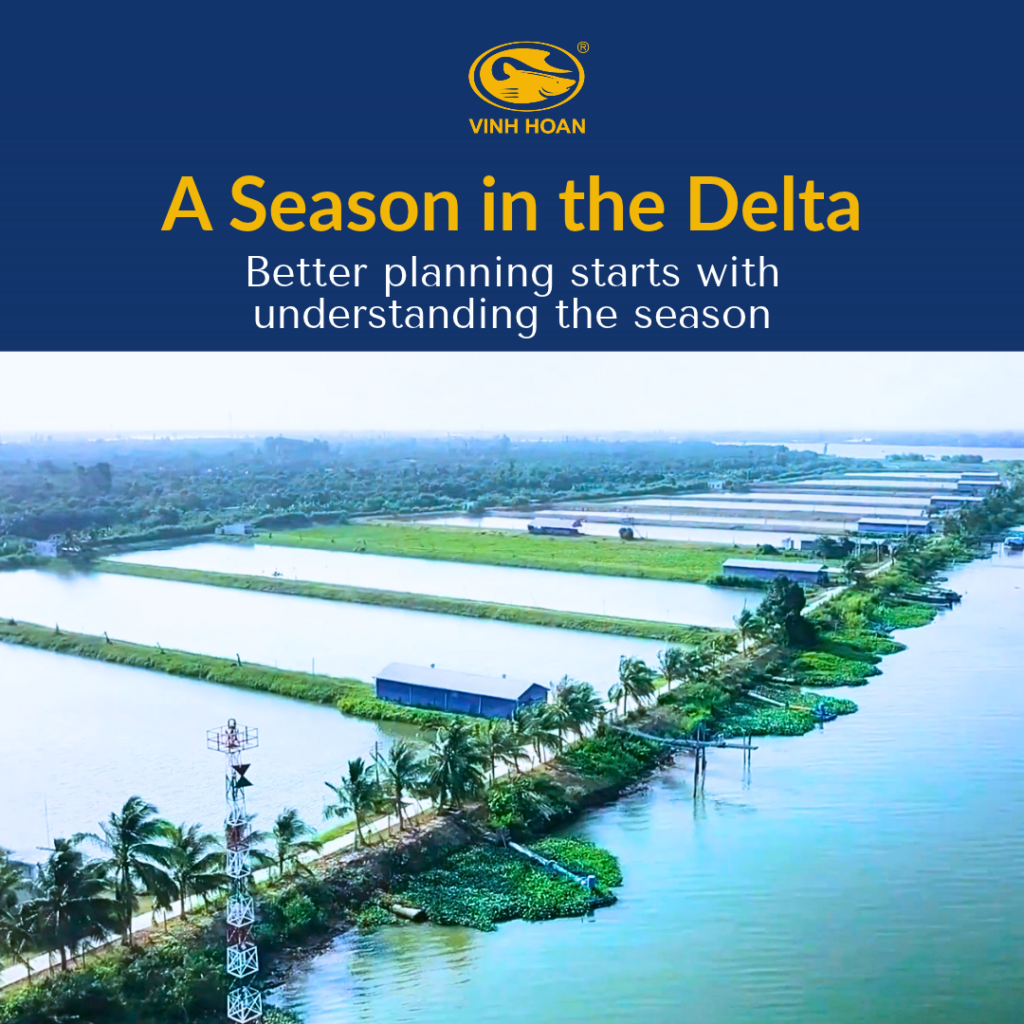
From the hatchery, the young fish move into growing farms across the Delta, where they continue developing in carefully managed freshwater environments.
Pangasius has a long history in this part of Vietnam. Over generations, farming communities have developed the experience and knowledge needed to raise these fish. Today, modern aquaculture combines that experience with structured farm management and strict water quality monitoring.
However, anyone who works in aquaculture knows that nature does not always cooperate with our plans. Weather patterns change, water conditions fluctuate and seasons can be unpredictable. All of these factors influence how we manage our farms and plan production.
That is why water management is so important. We cannot leave it to chance. Water conditions need to be monitored closely, with appropriate controls and adjustments to maintain a suitable environment for the fish throughout the growing cycle.
Sometimes, the challenge is not simply raising fish, but doing so consistently while responding to conditions beyond our control. This requires experience, close monitoring and careful management. It also requires a long-term view. We cannot make decisions based only on what happens today; we have to consider how those decisions affect the fish, the farms and the supply we can deliver in the months ahead.
For us, responsible farming is not a single practice or a certification on paper. It is the discipline of making the right decisions throughout the growing cycle.
From Farm to Factory: Every Step Matters
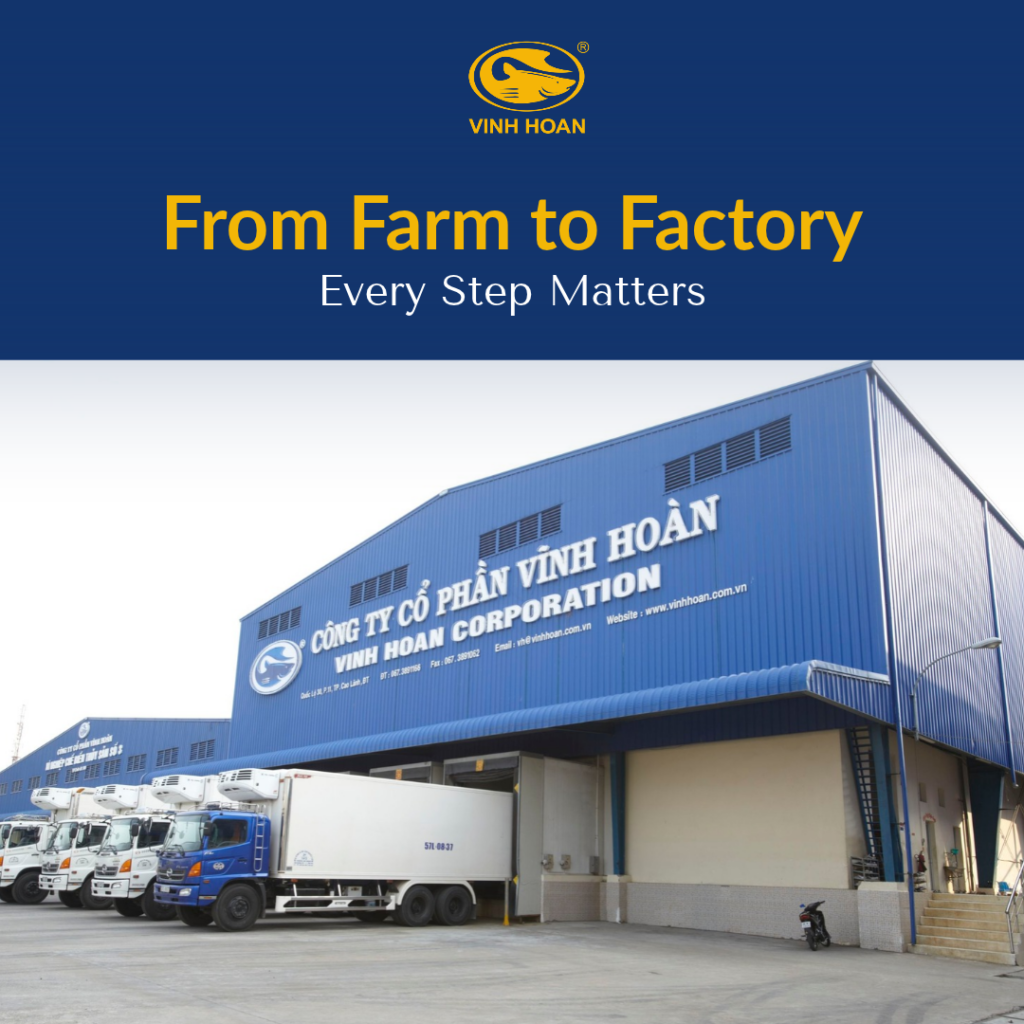
When the fish are ready for harvest, the next part of the journey begins. And how we handle them at this stage matters.
Harvesting and transportation can be stressful for fish. Poor handling or unsuitable transport conditions can affect their welfare and condition before they even reach the processing plant. That is why we pay attention not only to how the fish are harvested, but also to how they are moved.
From the farms, the fish make their way to the processing facility through wellboats. Designed to transport live fish in water, these vessels are an established part of pangasius farming in the Mekong Delta. This approach allows us to transport the fish in an aquatic environment while paying attention to their condition along the way.
For us, this is more than a transportation decision. It is part of taking responsibility for the fish throughout the production process. Careful handling and reducing unnecessary stress are important considerations before processing even begins.
At the factory, the fish move through a series of carefully managed steps, including filleting, trimming, freezing, packaging and quality checks. Each stage has its own requirements, and the finished product must meet the specifications expected by different markets.
The final product may look like a simple frozen fillet. But behind it are many decisions about how the fish are handled, how they are processed and how the finished product is checked. Quality is rarely the result of one big decision. More often, it comes from getting many small things right, consistently.
And that responsibility does not end when the product leaves the factory.
The Journey Doesn’t End at the Factory Gate
After all the work that goes into raising, harvesting and processing the fish, you might think that’s it. The product is ready, packed and waiting to be shipped.
Not quite. In many ways, another journey is just beginning.
As a seafood producer in Vietnam, we have to think beyond the factory. Our products need to travel across oceans and international borders before reaching distributors, retailers and restaurants around the world. Throughout that journey, two things matter: keeping the fish in the right condition and making sure the necessary paperwork is in order.
Frozen seafood must remain at the right temperature throughout transportation. From cold storage and container loading to ocean freight and arrival at the destination port, every stage requires proper handling to protect the product’s quality and condition.
At the same time, international trade involves more than moving a container from one port to another. Export documentation, health certificates, customs declarations and destination-market import requirements all need to be properly prepared and cleared. Even when the product is ready, it cannot enter its destination market without the required documentation and clearance.
These are not always the parts of seafood production that buyers get to see, but they are essential to getting the product from our factory to their market in the condition it was intended to be.
For us, the responsibility does not end when the fish are packed. We have to make sure the quality we worked hard to achieve at the factory is protected throughout the journey.
Beyond the Fillet: Discover the Many Uses of Swai
Of course, the story of Swai does not have to end with the traditional fillet.
As the food industry evolves, we are finding more ways to explore the potential of pangasius. Beyond the main fillet, edible meat recovered from fish frames and processing trimmings can be used to produce surimi and other value-added seafood products. The skin, which is also a by-product of fillet processing, can be processed into collagen and gelatin for food, pharmaceutical and nutraceutical applications.
Fish-derived gelatin, for example, can be used to manufacture soft-gel capsules for products such as supplements and medicines, provided it meets the required specifications and standards for those applications.
We find this particularly interesting because it changes how we look at the value of a fish. Instead of focusing on just one part of it, we can explore how different parts can serve different markets and purposes.
This is where innovation comes in. It is not always about inventing something entirely new. Sometimes, it starts with looking at an existing resource differently, finding better ways to use it and creating opportunities that may not have been considered before.
For us, making better use of the fish is also part of thinking responsibly about production. It means exploring ways to reduce waste, develop new applications and create greater value throughout the production chain.
Behind Every Fillet Are People
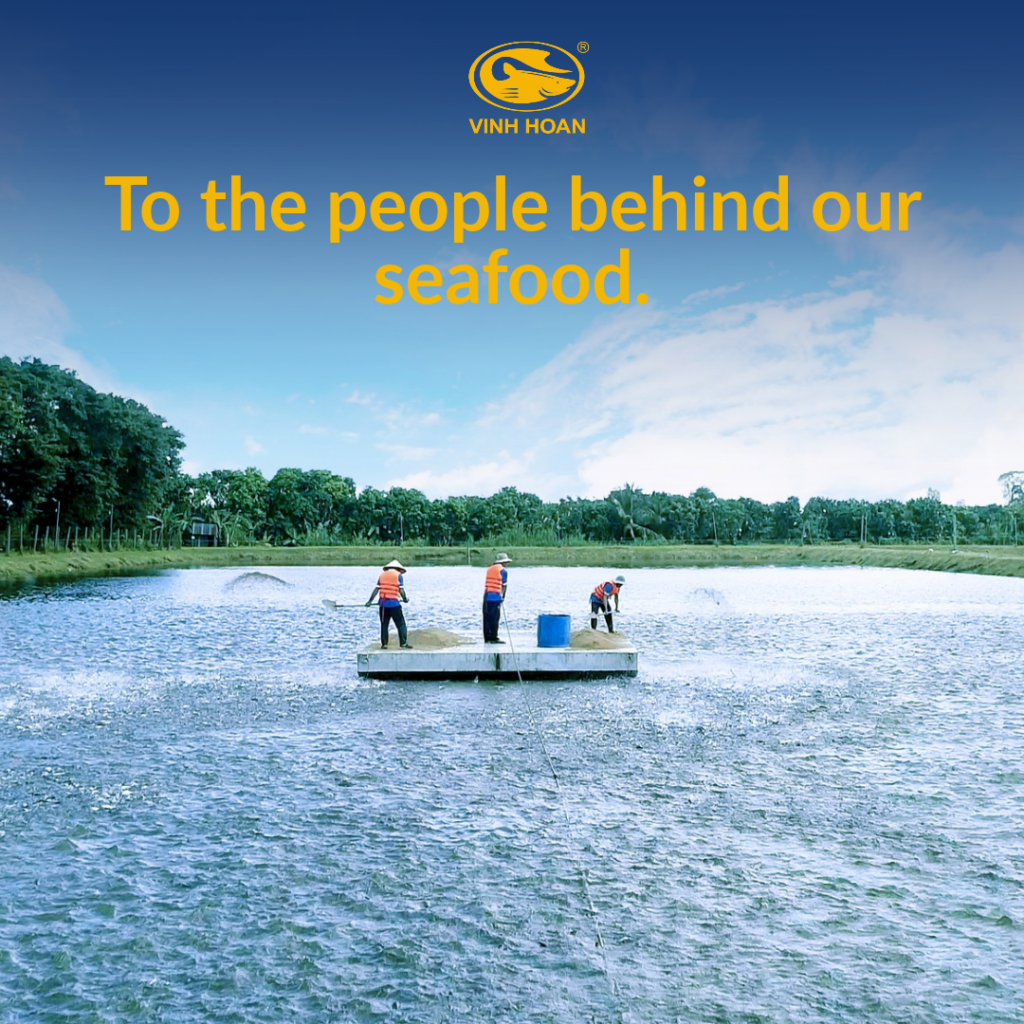
When we look at a finished fillet, we often think about the journey it has taken to get there. But just as important are the people who have been part of that journey.
At Vinh Hoan, we work with many passionate people across different stages of production. There are hatchery teams who tend to the fingerlings, farmers who look after their growth, technicians and factory teams who keep things moving, and quality control specialists who make sure every detail is taken care of.
Over the years, we have also built relationships with farming partners, suppliers, logistics teams and customers who each bring their own experience and expertise to the table.
Not every contribution is visible in the final product. Some happen early in the morning at the farms, others on the production floor, in the laboratory or along the many steps of the supply chain. But together, these efforts make a difference.
We have learned that producing good seafood takes more than facilities, equipment or production capacity. It takes people who know their work, care about what they do and are willing to keep learning and improving together.
That is something we value deeply at Vinh Hoan. And it is a big part of the story behind every fillet.
Raised with Care, for Those You Love
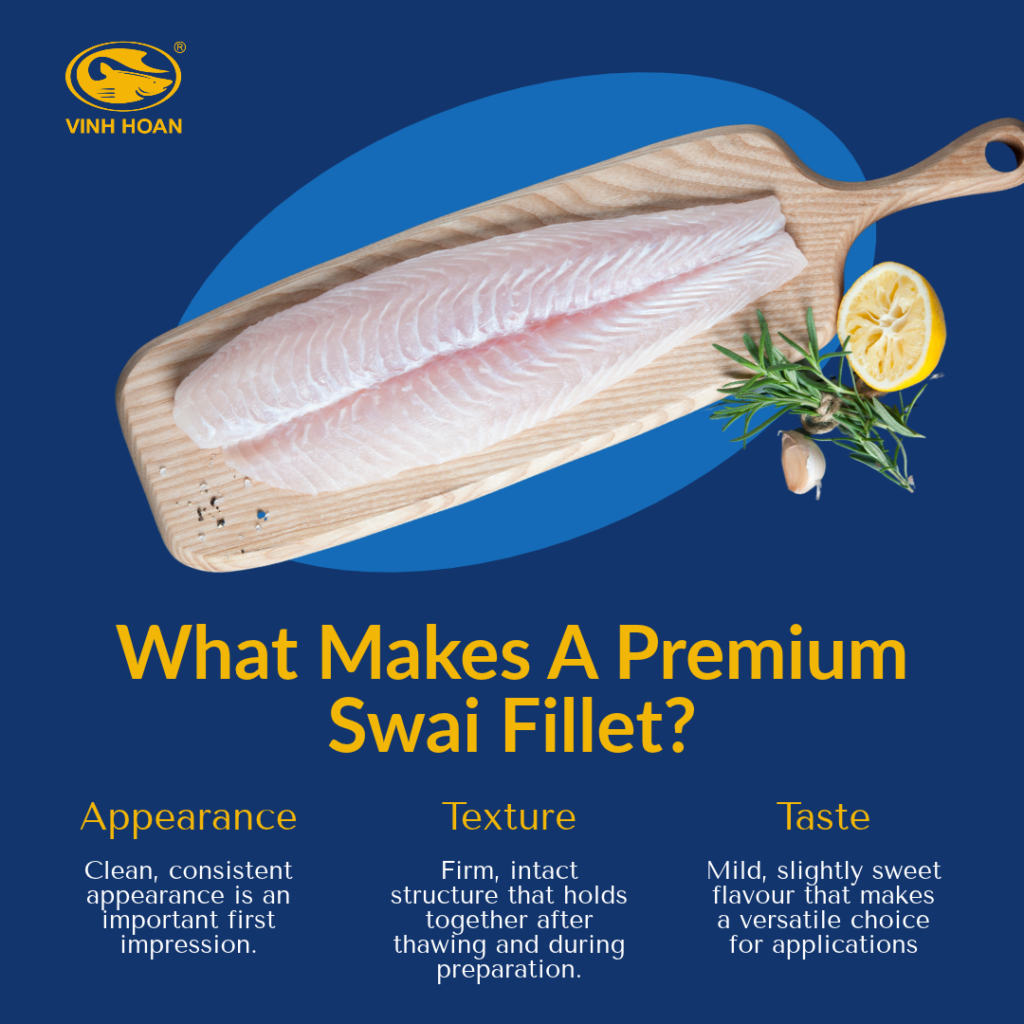
Swai is often recognised for being affordable, versatile and easy to prepare. These are important qualities, especially at a time when consumers and food businesses are paying closer attention to food costs.
But we hope that after reading our story, you will see Swai a little differently.
Behind every fillet is a journey that begins long before it reaches your kitchen or your menu. There are farmers, production teams, quality specialists, logistics partners and many others who each play a part. There is also the experience, investment and constant effort that go into raising the fish, processing it and bringing it safely to markets around the world.
Ultimately, we believe good seafood should be accessible to more people. And making that possible takes more than producing a good fillet. It takes commitment at every stage and people who believe in what they do.
This is our story so far. And as the seafood industry continues to evolve, we look forward to being part of what comes next.
Now that you’ve heard our story, let’s listen to yours.
info@vinhhoan.com